سمو (فلسفة)
المحتويات
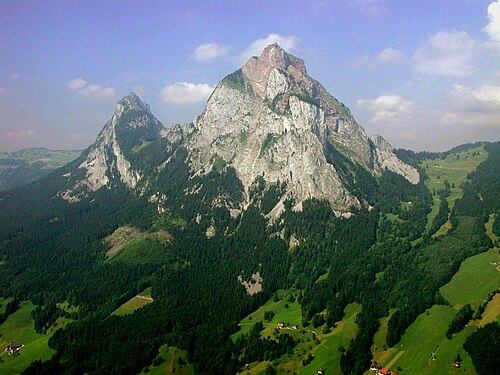
في البداية، يعني السمو (من sublīmis باللغة اللاتينية) في علم الجماليات صفة العظمة، سواء كانت جسدية أو أخلاقية أو فكرية أو ميتافيزيقية أو جمالية أو روحانية أو فنية. ويشير هذا المصطلح بالأخص إلى العظمة التي تتجاوز كل الاحتمالات التي يمكن عدها أو قياسها أو محاكاتها. ونتناول فيما يلي مزيدًا من التفاصيل.
كتابات أخرى
Navon, Mois. "Sublime Tekhelet". The Writings of Mois Navon
وفي السياق ذاته، Kant, Immanuel. Observations on the Feeling of the Beautiful and Sublime. Translated by John T. Goldthwaite. University of California Press, 2003. ISBN 0-520-24078-2
في هذا الإطار، Dennis, John. Miscellanies in Verse and Prose, in Critical Works, Vol. II. Ed. Edward Niles Hooker. Baltimore, 1939–1943. ASIN: B0007E9YR4
ومن جهة أخرى، Zuckert, R. ‘Awe or Envy? Herder contra Kant on the Sublime’. The Journal of Aesthetics and Art Criticism, Vol. 61, No. 3 (Summer 2003): 217–232.
وعلى صعيد آخر، Slocombe, Will. Nihilism and the Sublime Postmodern: The (Hi)Story of a Difficult Relationship. New York: Routledge, 2006.
من جانب آخر، Lyotard, Jean-François. Lessons on the Analytic of the Sublime. Trans. Elizabeth Rottenberg. Stanford University Press, 1994.
ومن جهة أخرى، Nicolson, Marjorie Hope. Mountain Gloom and Mountain Glory. Ithaca, 1959. ISBN 0-295-97577-6
وفي هذا السياق، Hipple, Walter John, Jr. The Beautiful, the Sublime, and the Picturesque in Eighteenth-Century British Aesthetic Theory. Carbondale, IL, 1957.
ومن جهة أخرى، Monk, Samuel H. The Sublime: A Study of Critical Theories in XVIII-Century England. Ann Arbor: University of Michigan Press, 1935/1960.
وعلى صعيد آخر، Collingwood, R.G. The Idea of Nature. Oxford, 1945. ISBN 0-313-25166-5
وفي السياق ذاته، Kant, Immanuel. Critique of Judgment. Trans. J.H. Bernard. Macmillan, 1951.
وفي السياق ذاته، Fudge, R. S. ‘Imagination and the Science-Based Aesthetic Appreciation of Unscenic Nature’. The Journal of Aesthetics and Art Criticism, Vol. 59, No. 3 (Summer 2001): 275–285.
ومن ناحية أخرى، Kirwan, J. (2005). Sublimity: The Non-Rational and the Irrational in the History of Aesthetics. Routledge, 2005.
وفي السياق ذاته، Brett, R.L. The Third Earl of Shaftesbury. London, 1951. ASIN: B0007IYKBU
وفي هذا الصدد، Saville, A. ‘Imagination and Aesthetic Value’. British Journal of Aesthetics, Vol. 46, No. 3, July 2006: 248–258.
وعلى صعيد آخر، Ferguson, F. Solitude and the Sublime: romanticism and the aesthetics of individuation. Routledge, 1992.
وصلات خارجية
ومن ناحية أخرى، Noel, J. ‘Space, Time and the Sublime in Hume’s Treatise’. British Journal of Aesthetics, Vol. 34, No. 3, July 1994: 218–225.
من جانب آخر، Fisher, P. Wonder, the rainbow and the aesthetics of rare experiences. Harvard University Press, 1999.
ومن ناحية أخرى، Shusterman, R. ‘Somaesthetics and Burke’s Sublime’. British Journal of Aesthetics, Vol. 45, No. 4, October 2005: 323–341.
في هذا الإطار، Stolnitz, Jerome. "On the Significance of Lord Shaftesbury in Modern Aesthetic Theory". Philosophical Quarterly, 43(2):97–113, 1961.
وفي هذا الصدد، Cooper, Anthony Ashley, Third Earl of Shaftesbury. The Moralists: A Philosophical Rhapsody, in Characteristics, Vol. II. Ed. John M. Robertson. London, 1900.
وفي السياق ذاته، Beidler. P. G. ‘The Postmodern Sublime: Kant and Tony Smith’s Anecdote of the Cube’. The Journal of Aesthetics and Art Criticism, Vol. 53, No. 2 (Spring 1995): 177–186.
علاوةً على ذلك، Sircello, Guy, ‘How is a Theory of the Sublime Possible?’ The Journal of Aesthetics and Art Criticism, Vol. 51, No. 4 (Autumn 1993): 541–550.
علاوةً على ذلك، Nicolson, Marjorie Hope. "Sublime in External Nature". Dictionary of the History of Ideas. New York, 1974.
في هذا الإطار، Brady, E. ‘Imagination and the Aesthetic Appreciation of Nature’. The Journal of Aesthetics and Art Criticism, Vol. 56, No. 2 (Spring 1998): 139–147.
من جانب آخر، Doran, Robert. ‘Literary History and the Sublime in Erich Auerbach’s Mimesis’. New Literary History 38.2 (2007): 353-369.
من جهة ثانية، Burke, Edmund. A Philosophical Enquiry into the Origin of Our Ideas of the Sublime and Beautiful. London, 1958. ISBN 0-935005-28-5
علاوةً على ذلك، Duffy, C. Shelley and the revolutionary sublime. Cambridge, 2005.
من جهة ثانية، de Bolla, P. The Discourse of the Sublime. Basil Blackwell, 1989.
من جهة ثانية، Ryan, V. (2001). 'The physiological sublime: Burke's critique of reason'. Journal of the history of ideas, vol. 62, no. 2 (2001): 265–279.
إضافةً إلى ذلك، Dessoir, Max. Aesthetics and theory of art. Ästhetik und allgemeine Kunstwissenschaft. Translated by Stephen A. Emery. With a foreword by Thomas Munro. Detroit, Wayne State University Press, 1970. ISBN 0-8143-1383-3
علاوةً على ذلك، George Santayana. The Sense of Beauty. Being the Outlines of Aesthetic Theory. New York, Modern Library, 1955. Pp. 230–240.
وفي هذا الصدد، Schopenhauer, Arthur. The World as Will and Representation. Volume I. New York: Dover Press. ISBN 0-486-21761-2
ومن ناحية أخرى، Pillow, K. Sublime Understanding: Aesthetic Reflection in Kant and Hegel. MIT Press, 2000.
Shaw, P. The Sublime. Routledge, 2006.
ومن ناحية أخرى، Budd, M. The Aesthetic Appreciation of Nature. Oxford, Oxford University Press, 2003.
علاوةً على ذلك، Addison, Joseph. The Spectator. Ed. Donald E. Bond. Oxford, 1965.
الفلسفة القديمة
المراجع
ومن جهة أخرى، تُعزى أول دراسة معروفة للسمو إلى أطروحة لونجينوس: (Peri Hupsous/Hypsous) أو عن السمو (On the Sublime) ويُعتقَد أنه قد تم تأليفها في القرن الأول بعد الميلاد بالرغم من أن أصلها ومؤلفها غير مؤكدين. بحسب الونجينوس، السمو هو صفة تصف عظمة، أو رفعة، أو رقيّ الفكر أو العقل، وخاصةً في سياق الـبلاغة. وهكذا، يوحي السمو بالهيبة والوقار، والتمتع بقدرات إقناعية كبيرة. تتميز أطروحة لونجينوس بالإشارة، ليس فقط إلى كُتَّاب يونانيين مثل هوميروس (Homer)، بل كذلك إلى مصادر خاصة بالكتاب المقدس مثل تكوين.
علاوةً على ذلك، وقد أُعيد اكتشاف هذه الأطروحة في القرن السادس عشر، ويُنسب عادةً تأثيرها اللاحق على علم الجماليات إلى قيام نيكولا بوالو (Nicolas Boileau-Despréaux) بترجمتها إلى الفرنسية في 1674. وقام بترجمتها إلى الإنجليزية لاحقًا كلٌ من جون بولتني (John Pultney) في 1680، وليونارد ولستد (Leonard Welsted) في 1712، وويليام سميث في 1739، والذي نُشِر له الإصدار الخامس من ترجمته في 1800.
📝 هل في هذه المقالة خطأ؟
إذا وجدت معلومة تحتاج تصحيحاً أو إضافة، أو أردت حذف المقالة، أرسل لنا طلباً وسنراجعه.
ما رأيك في هذه المقالة؟